

Strength Training and Anxiety
Strength Training and Anxiety: How Movement Supports Mental Health
Exercise is not only a physical practice—it is a powerful regulator of the nervous system.
Strength training, in particular, has been shown to reduce symptoms of anxiety and improve emotional stability when performed consistently.
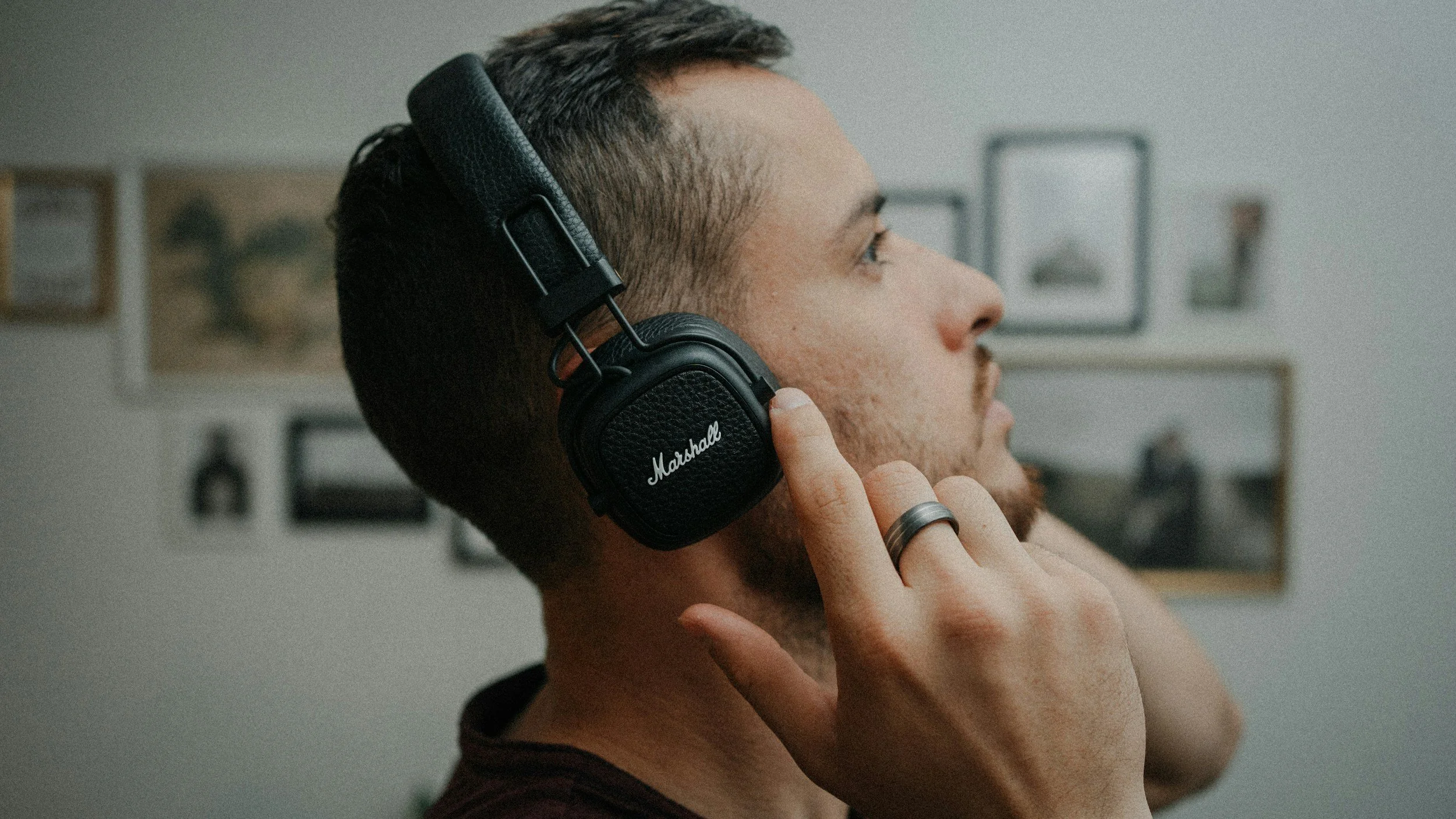
How Music Can Support Emotional Regulation
How Music Can Support Emotional Regulation
Music is not only a form of entertainment—it is a powerful tool that directly influences brain activity, emotional processing, and the nervous system.
Research shows that music can modulate mood, reduce stress, and support emotional regulation when used intentionally.

Daily Natural Light Exposure and Stress
Daily Natural Light Exposure and Mental Health
Natural light is one of the most powerful and underutilized regulators of mental health.
Daily exposure to sunlight plays a key role in synchronizing the body’s internal clock, regulating hormones, and supporting emotional stability.

Why Sleep Is the Foundation of Mental Health
Why Sleep Is the Foundation of Mental Health
Sleep is not just rest. It is a core biological process that regulates brain function, emotional stability, and stress response.
When sleep is insufficient or irregular, the brain’s ability to process emotions and manage stress is significantly affected.

Autism, Neurobiological Perspective on Different Ways of Experiencing the World
Autism, or Autism Spectrum Disorder (ASD), is a neurodevelopmental condition characterized by differences in social communication, sensory processing, and behavioral patterns.
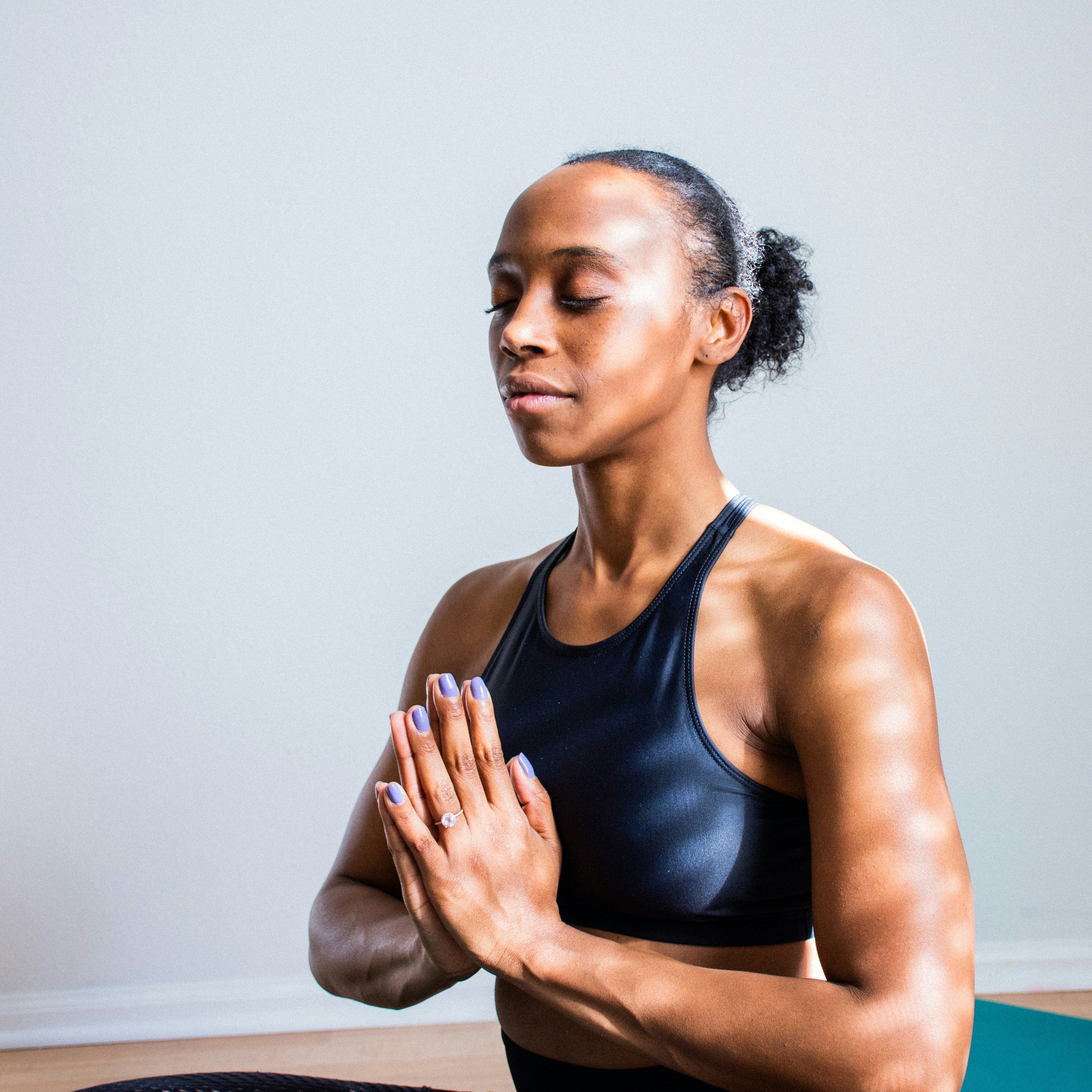
Breathing Technique for Anxiety: A Simple Tool to Calm Stress
Breathing Technique for Anxiety: A Simple Tool to Calm Stress | Azzurra Health Care Center
Learn a simple breathing technique to reduce stress and anxiety. Mental health therapists at Azzurra Health Care Center explain how breathing helps regulate the nervous system.

Mental Health for Athletes: The Reset Breath Between Performances
Mental Health for Athletes: A Breathing Tool to Improve Focus and Reduce Stress | Azzurra Health Care Center
Athletes can improve focus and reduce performance anxiety using simple mental regulation tools. Learn a breathing reset technique recommended by therapists.

Emotional Coaching for Parents: The 90-Second Pause
Emotional Coaching for Parents: A Simple Tool to Help Children Regulate Emotions | Azzurra Health Care Center
Discover a practical emotional coaching tool parents can use to help children regulate emotions and reduce family stress. Guidance from Azzurra Health Care Center therapists.

Women's Month: The 2-Minute Emotional Check-In
Many women experience emotional overload from daily responsibilities. Learn a simple emotional regulation technique recommended by Azzurra Health Care Center therapists.

Kindness matters: Simple Daily Practices That Support Emotional Regulation
Kindness is often underestimated in mental health care.
But clinically, kindness is a powerful regulation strategy for the nervous system.
Both kindness toward others and self-kindness play a key role in reducing stress, emotional overload, and burnout.

Relationships, and Mental Health: Loving Without Pressure
February often intensifies emotions. Between Valentine’s Day, social media, and relationship expectations, many people experience anxiety, sadness, comparison, or emotional fatigue.From a mental health perspective, February is a key moment to focus on emotional regulation, self-respect, and healthy relationships — not pressure.

Can communication skills be learned? Starting the Year by Improving Communication
Can communication skills be learned? Starting the Year by Improving Communication
Many people begin the year wanting to “feel better,”
but without examining how they communicate in their relationships.
Communication is a central pillar of mental health.
Unresolved tension, misunderstandings, and emotional defensiveness create chronic stress.

Does emotional validation spoil children?
Does emotional validation spoil children?
No. Research shows it supports emotional development.The start of the year can also be emotionally demanding for children and adolescents.
Changes in routine, academic expectations, and emotional carryover from the previous year can affect their regulation.

Real Personal Growth: Three Mental Health Questions to Start the Year
Real Personal Growth: Three Mental Health Questions to Start the Year
Personal growth is often confused with self-demand.
But real growth starts with self-awareness, not self-criticism.

Is it normal to feel unmotivated in January?
Why January Needs Regulation, Not Pressure
January is often framed as a fresh start: new goals, new habits, new versions of ourselves.
But from a mental health perspective, this pressure can be counterproductive.

End-of-Year Ritual: How to Release What Weighed on Your Body and Mind
Closing the year is not about finishing everything. It’s about releasing what your nervous system is no longer able to carry. Emotional rituals help because they provide symbolic structure that supports mental clarity.

Family and Mental Health: How to Protect Your Well-Being During Holiday Gatherings
Family gatherings can feel loving… or triggering. December activates old roles, emotional memories, and tensions that the body recognizes long before the mind does. Preparing yourself emotionally is an act of self-care.

Loneliness in December: Why It Hits Hard and How to Cope
While many people celebrate, others experience December as a month of loneliness, silence, or nostalgia. Psychology shows that social comparison and emotional memory can intensify these feelings.
Why does loneliness increase in December?


Men, Emotions, and Mental Health: Redefining Strength
Society taught men to be strong by staying silent.
But silence comes with a psychological cost: depression, irritability, addiction, and emotional disconnection.